

Delicacy and Elegance in Japanese Flower Arranging: Ikebana and Beyond
Ikebana, also known as Japanese flower arrangement , is much more than just arranging flowers. It is a traditional art that encompasses profound concepts such as Zen philosophy, spirituality, and an intense connection with nature . The clean lines, natural structure, and harmonious integration of symbolic elements make it a living work that transcends time and space. Let's explore the rich dimensions of this fascinating art together.
Origins and schools of ikebana
Historical beginnings
The roots of ikebana date back centuries to Japan, with its earliest records referring to floral arrangements made for religious purposes. These arrangements were often offered to Buddhist temples as a symbol of spiritual devotion.
Main schools of ikebana
- Ikenobo : Founded by the monk Senkei Ikenobo in the 15th century, this is the oldest school and is known for its formal rikka-style compositions.
- Ohara : Created at the beginning of the 20th century, it focuses on landscape compositions (moribana) where harmony between materials and their environment is essential.
- Sogetsu : Founded in 1927, this modern school encourages a freer and more contemporary expression, going beyond rigid traditions.
Traditional styles: rikka, nageire, shoka and moribana
The Rikka style
Rikka (or "standing flower") is an ancient formal style that represents the natural beauty of mountainous landscapes. This intricate style uses nine main branches symbolizing different natural elements such as mountains, waterfalls, and valleys. Each composition aims to recreate a miniature view of the natural landscape, integrating structure and naturalism.
The swimming style
In contrast to rikka, nageire is more spontaneous and flexible. This style is often characterized by its relaxed appearance and use of tall, narrow vases. Emphasis is placed on the natural dynamics of lines and shapes. Nageire allows for great freedom of expression while maintaining a harmonious balance between elements.
The Shoka style
Shoka focuses on the very essence of plant life with only three branches representing earth, man, and sky. This triad symbolizes the interrelationship between these entities and emphasizes the underlying philosophy of universal harmony. Shoka, therefore, seeks to capture the purity and balance of the natural world in a simplified form.
The Moribana style
Moribana, or "stacked flowers," is often arranged in low, wide containers such as ceramic plates. This style particularly emphasizes the depth of the composition and the layering of floral elements to create a three-dimensional effect. Moribana emphasizes the coexistence and interaction between various natural plants, reflecting the harmonious interrelationship present in nature.
Symbolism and spiritual connotation
The influence of Buddhism
Buddhist influence has profoundly influenced ikebana, particularly through its notions of simplicity, ephemerality, and meditative contemplation. The practice of flower arranging becomes a form of meditation, encouraging the practitioner to connect deeply with nature and achieve a heightened awareness of the universe.
Hanakotoba: The Language of Flowers
In Japan, there is an ancient tradition called hanakotoba, where each flower conveys a specific meaning. For example, the chrysanthemum expresses truth, while the peony symbolizes shame. Manipulating these flowers according to their meanings enriches floral arrangements with a strong emotional and symbolic dimension.
Zen philosophy and the human-nature connection
Meditation and observation
Ikebana invites you to take a moment to quietly observe the shapes and colors of flowers. This process promotes active meditation, where you perceive every natural detail. It helps strengthen the subtle connection between humans and nature, fostering a sense of unity and inner harmony.
Creative energy and personal expression
Creating an ikebana work also involves a creative expression unique to each individual. This creative energy connects the artisan to their own inner essence and allows them to channel emotions and thoughts through the floral arrangement, thus promoting life energy and overall well-being.
Minimalist aesthetics and natural structure
Clean lines and visual harmony
A fundamental aspect of ikebana is its commitment to a minimal aesthetic. The clean lines and natural structure of the arrangements temper excess and capture the graceful simplicity of nature. Each arrangement reduces the whole to its essentials, maximizing visual impact and overall harmony.
The concept of 'flower path'
The practice of ikebana is often described as a journey inward. Known as "kadō" or the way of flowers, this discipline goes far beyond a simple artistic endeavor. For practitioners, every gesture and choice is part of a path toward a greater understanding of oneself and a spiritual connection to the universe.
Modern applications and international influence
Ikenobo, Ohara, Sogetsu in Paris and beyond
The principles of ikebana have traveled beyond Japan's borders and found their way to cities like Paris. Ikenobo, Ohara, and Sogetsu workshops are spread internationally, offering enthusiasts the opportunity to discover and practice this ancient art.
Evolution towards contemporary and stabilized bouquets
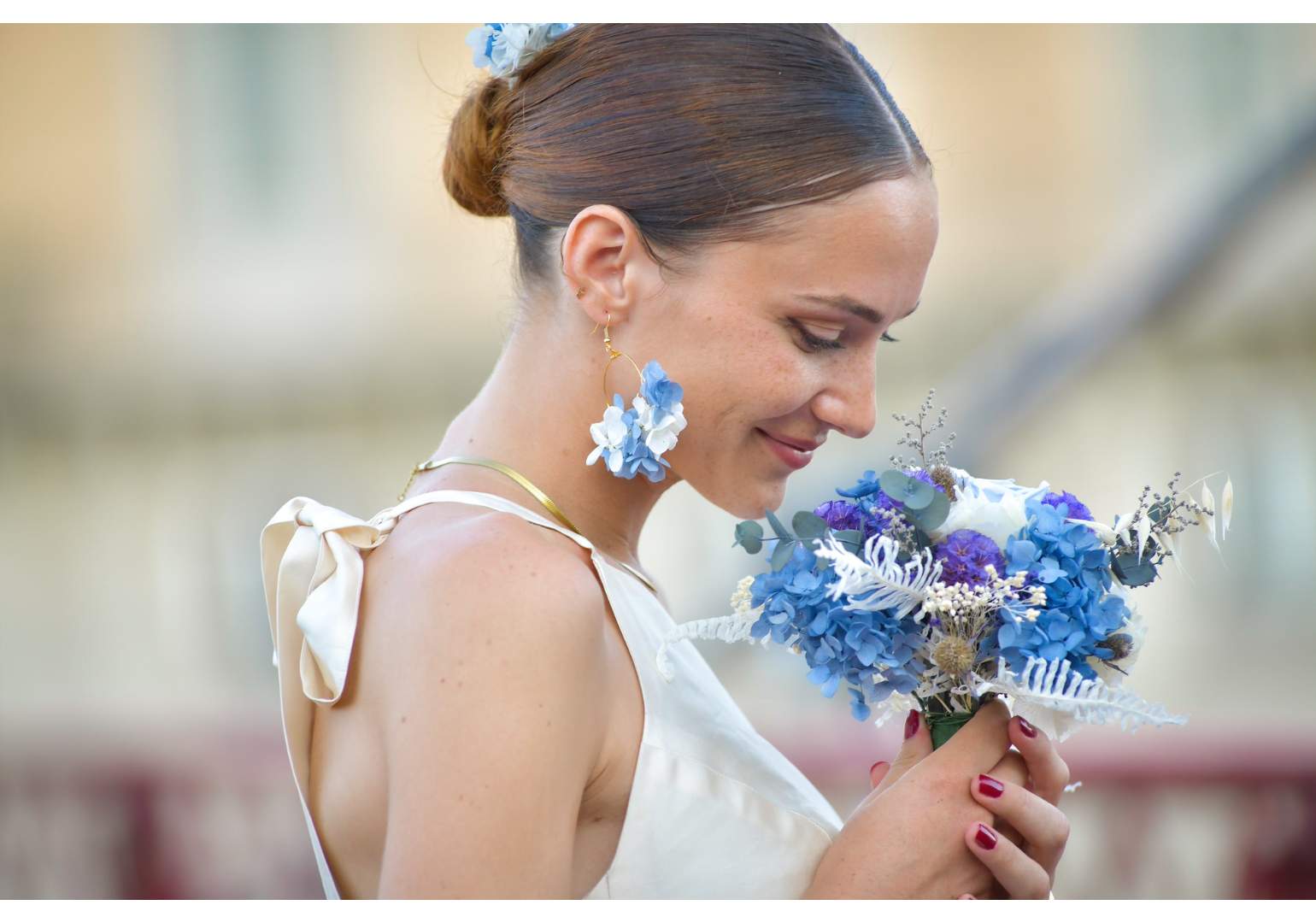
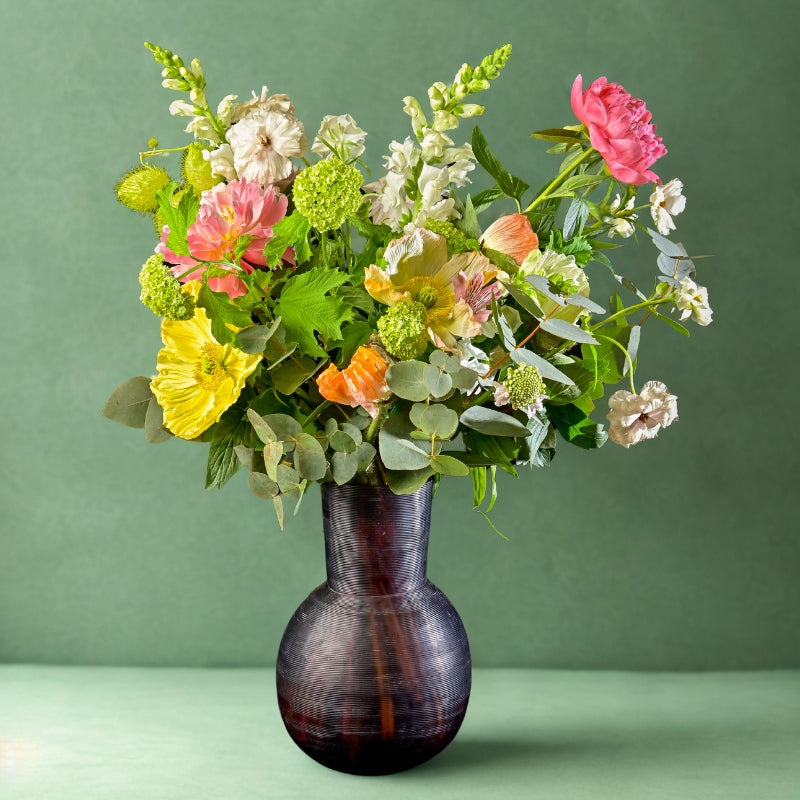
Today, we can see how elements of ikebana influence modern floral arrangements. Whether in contemporary bouquets or preserved flowers, the emphasis on natural grace, structured composition, and elegant harmony remains.
Observation as the key to universal consciousness
Practice of attentive observation
For master ikebana practitioners, careful observation is fundamental. This state of alertness not only produces a better understanding of the materials used, but also reveals a broader awareness of the surrounding world. This helps refine intuition and enhances the artist's sensitivity to the subtle dynamics of life.
Universal consciousness and respect for life
Incorporating ikebana into one's daily culture isn't simply adding a decorative touch. It's embracing a way of living that respects nature and life. By viewing the universe as an interconnected entity, each act of creation becomes a sacred ritual imbued with a deep reverence for all life.